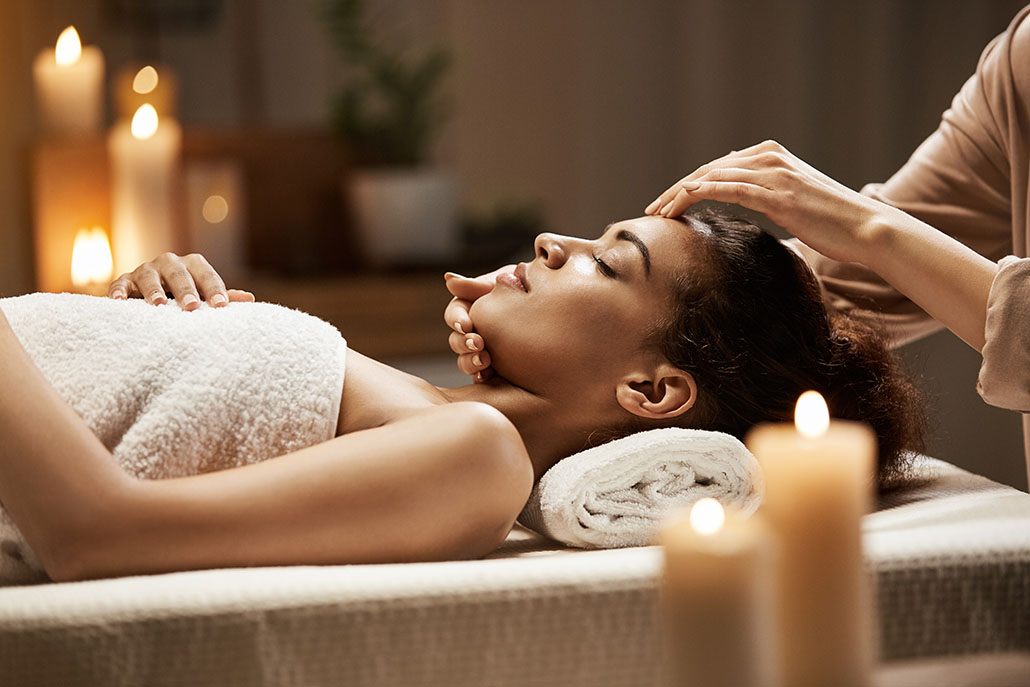
In today's fast-paced world, stress has become a common companion for many of us. From work pressures to family responsibilities, the demands of modern life can take a toll on our physical and mental well-being. This is where regular massage therapy comes in as a powerful tool for maintaining balance and health.
Massage therapy is one of the oldest healing practices in human history, with evidence of its use dating back thousands of years across various cultures. What was once considered a luxury is now recognized as an essential component of a comprehensive wellness routine. Let's explore the numerous benefits that regular massage therapy can offer.
Physical Benefits of Regular Massage
1. Reduces Muscle Tension and Pain
One of the most immediate benefits of massage is the relief of muscle tension and pain. Through various techniques, massage therapists can target specific areas of discomfort, breaking up adhesions (commonly known as "knots") and promoting muscle relaxation. This is particularly beneficial for those who experience chronic pain conditions or who engage in regular physical activity.
2. Improves Circulation
Massage enhances blood flow throughout the body, which helps deliver oxygen and nutrients to cells more efficiently. Improved circulation can accelerate healing in injured areas, reduce swelling, and help remove metabolic waste products. The gentle pressure applied during massage also helps move lymph fluid through the body, supporting immune function.
3. Increases Flexibility and Range of Motion
Regular massage helps keep joints more fluid and less prone to injury. By reducing muscle tension and promoting relaxation, massage allows for greater flexibility and range of motion. This can be particularly beneficial for athletes or individuals recovering from injuries.
Mental and Emotional Benefits
1. Reduces Stress and Anxiety
Perhaps one of the most well-known benefits of massage is its ability to reduce stress and anxiety. Massage triggers the release of endorphins, the body's natural "feel good" chemicals, while reducing levels of stress hormones like cortisol. This combination creates a profound sense of relaxation and well-being that can last long after the massage session ends.
2. Improves Sleep Quality
Many people who receive regular massages report improved sleep quality. By promoting relaxation and reducing pain, massage can help address common causes of insomnia and sleep disturbances. Better sleep, in turn, supports overall health and well-being.
3. Enhances Mental Clarity and Focus
The relaxation response triggered by massage doesn't just feel good—it also helps clear the mind. Many people find that they can think more clearly and focus better after a massage session. This mental clarity can boost productivity and creativity in both personal and professional contexts.
How Often Should You Get a Massage?
The ideal frequency for massage therapy depends on your individual needs and goals. Here are some general guidelines:
- For stress management and general wellness: Once every 2-4 weeks
- For chronic pain conditions: Once a week or every other week
- For athletes in training: Once or twice a week, depending on training intensity
- For acute injuries: Multiple times per week initially, then decreasing frequency as healing progresses (under healthcare provider guidance)
Remember that consistency is key. Regular massage sessions provide cumulative benefits that occasional massages cannot match.